
Welcome To Our Blog

Cartilage Transplants – Restoration for an Injured Knee
Cartilage injuries can happen in a variety of different ways, but commonly it is the result of a sports injury, specifically when an individual falls or hits the knee on the ground. It can occur as a part of a meniscus or ligament injury, or a bone injury. When this type of injury happens cartilage can be damaged or break off in the knee. It causes swelling and inflammation, pain in the knee with motion, and can even cause a catching or locking sensation in the knee. When people first hear of a cartilage transplant, many people think it may replace lost cartilage in a knee...

Tips for A Quicker Recovery From Orthopedic Surgery
Good habits, a strong and active body, proper nutrition, and a good mental attitude go a long way in helping someone recovering from surgery. Let’s look at some of the key factors that come into play and that can affect the speed of recovery from an orthopedic surgery.
The Importance of Repairing a Meniscal Root Tear
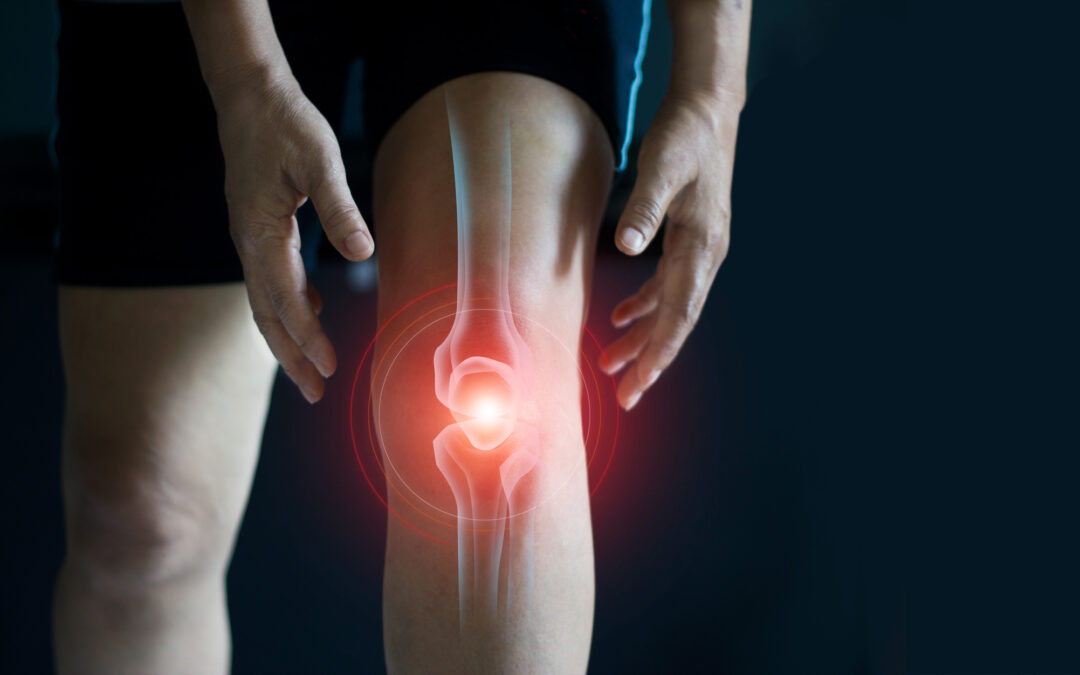
Meniscal root tears are a common injury. In fact, they account for more than 10% of knee injuries. While they have been around for many years, it is only recently, in the past 5 – 10 years, that it has been recognized as a specific injury and one that is very important to have repaired.

Frozen Shoulder – A Common Cause of Shoulder Pain
The hallmark symptoms of frozen shoulder include pain and restricted range of motion. Often, this pain occurs for no good reason and most people cannot pinpoint a particular time or injury in which the pain began. We call this an insidious onset. Over time, patients begin to feel more pain as their shoulder gets stiffer.
4 Signs That You May Have A Torn Meniscus
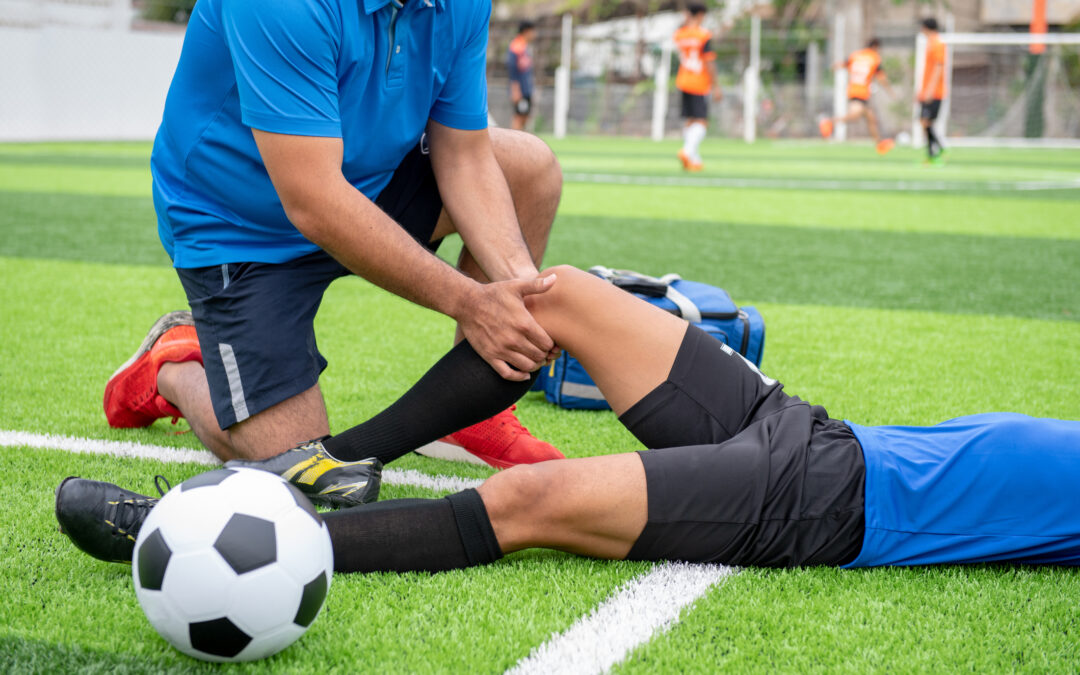
The Meniscus is the cartilage that lives in the knee and acts as a cushion between the tibia and femur. It is a C-shaped structure that is located on both the outside and inside of the knee. The meniscus provides 50% of the weight bearing in the joint. If it is torn the femur and tibia start to carry the load, which can lead to joint degeneration and early arthritis, if not addressed.