
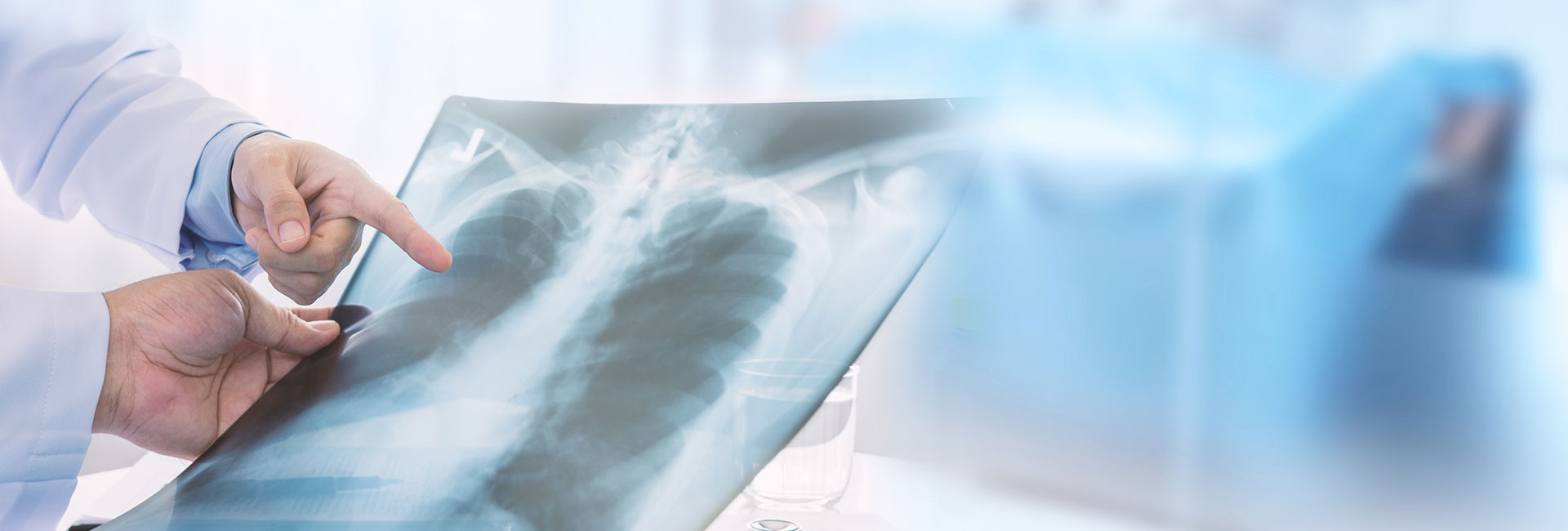
Scoliosis is a common medical condition that is defined as an abnormal curvature of the spine. The flexible structure of the spine, which is made of a number of vertebrae, makes humans twist and bend their bodies in all directions. Although the spine curves front to back at the chest, neck and lower back; however, in patients with Scoliosis, the spine shows sideways curvature. A scoliosis curve is often C or S-shaped and the ribs stick out more on one side.
The condition is usually mild but in case the condition is severe, then the space between the ribs reduces and this disrupts breathing and strains the heart. If not treated on time, the condition causes compression and damage to the spinal nerves, which may cause Paralysis.
Scoliosis is a condition in which the spine develops a curvature, which can be either S-shaped or C-shaped. The spine naturally curves at the cervical spine or neck, along with the thoracic spine that progresses from the neck down to the abdomen and the lumbar spine which is located in the lower back. However, scoliosis is a different form of curvature that can often occur during the growth spurt that is experienced during childhood and adolescence.
Causes
The exact cause of Scoliosis is not clear however it is either congenital or idiopathic. The problem often occurs just before puberty and girls are more prone to Scoliosis as compared to boys. The condition also occurs in patients with nervous problems such as Cerebral Palsy. Even people with Marfan Syndrome or Skeletal Dysplasia are prone to Scoliosis. Arthritis and other problems with age also lead to degenerative Scoliosis in adults.
Types of Scoliosis for Adults
It has been estimated that 6-9 million patients in the U.S. are dealing with this condition regardless of age. But when this does take place as a result of the aging process, there are several reasons why this can occur.
This can often be diagnosed as degenerative scoliosis, which is also referred to as adult-onset scoliosis. This can develop during the aging process, as a curvature of the spine emerges while the joints and the discs which absorb the shock between your bones deteriorate over time.
It has been projected that at least 60% of adults in the U.S. over age 60 are contending with some form of degenerative scoliosis, and the discomfort that results from this condition can impact other areas of the body beyond your back.
But it is important to emphasize that not all scoliosis that occurs with adults is of the degenerative form. Adults can also experience the effects of idiopathic scoliosis, which begins during childhood and adolescence.
Some of the older adults who are contending with this form of scoliosis were diagnosed and treated when they were adolescents, while other older patients were not surgically treated when they were younger. The symptoms of idiopathic scoliosis can eventually become more significant as we age when it was not treated when it occurred at a younger age. As time advances, the joints and bones of the spine accumulate wear and tear. This can cause the discs to tilt, which will create a curve in the spine.
In these situations, pain can be the first symptom that is noticed. The deterioration of the bones can place pressure on the nerves in that area which results in weakness and numbness.
Other symptoms that begin to emerge include imbalanced shoulders or hips, numbness or weakness in the legs. There can be increased difficulty in standing straight, and it might become more challenging to walk. Shortness of breath can also take place, along with bony bumps in the lower back that are referred to as bone spurs.
The symptoms of degenerative scoliosis can include spinal stenosis, which occurs when the spinal canal narrows. This can cause the nerves that progress through your lower back to compress. This can result in pain, inflammation, weakness and numbness.
This can create difficulty in functioning normally and the discomfort that accompanies degenerative scoliosis can increase as you become more involved with various activities.
Symptoms
- Pain Deformity of the spine
- Uneven shoulders and waist
- One hip higher than other
- Shoulder blade sticks out
- Ribs stick out on side
- Difficulty in breathing
- Back pain
- Uneven arm length while on standing straight
Diagnosis
The patient needs to consult an orthopedic doctor who will physically examine the spinal curve from sides, front and back. The doctor may look at the symmetry of the patient’s body to see any misalignments. He may also notice reflexes, muscle strength and range of motion. The orthopedic physician may also recommend imaging test such as X-ray or MRI to determine the cause and extent of the deformity.
Treatment
It is always easier to treat the condition, if the problem is detected early. Scoliosis is not preventable; however, the symptoms can be lessened if treated early, especially in the growing years of a child. The advancement in orthopedic techniques has made it easier to manage Scoliosis.
To treat mild curves, the orthopedic physician uses braces during the childhood growth and prevents the condition from worsening. If this non-surgical method does not work out, then surgery may be performed. Spinal fusion involves joining the vertebrae and has a high success rate. This is a minimally invasive surgery and the orthopedic surgeon usually prescribes certain medications to reduce inflammation and promote healing after the surgery.
Scoliosis Treatments
When your doctor has provided an official diagnosis of scoliosis, there are several aspects of the situation to assess in order to determine the most effective method of treatment. The recommendation that you receive will be based largely upon the combination of your age, the type of scoliosis that you are dealing with and how likely it is that the curve will intensify.
Other factors that will be included in the determination of a treatment plan include your family history, how long you have been dealing with the change in your spine, how extensive the curvature is, where it is located and whether or not it is causing other problems such as issues with the bladder or bowel.
The majority of adults who develop scoliosis can avoid surgery. Instead, your physician will usually create a plan that will emphasize relieving discomfort as opposed to adjusting any curvature in your spine. This could include physical therapy or medications.
However, a form of surgery might be recommended if the spinal curve has progressed to 50 degrees or higher. There are factors that will be considered when surgery is being considered, including the exact age of the patient, weight, whether he or she is a smoker and whether other health issues exist that could create complications.
These forms of surgery include a posterior approach, which is the most common, and transpires while the patient rests on his or her stomach.
For complete diagnosis and treatment of Scoliosis, visit the spine specialists at OrthoTexas. To schedule an appointment, call at (972) 492-1334 or visit 5757 Warren Pkwy, Suite 180, Frisco, TX 75034.