
Adolescent Scoliosis is a common form of Scoliosis affecting children between the age group of 9 and 15 years. In this condition, the bones of the spine rotate in such a manner that it appears like the letter ‘C’ or ‘S’ instead of a straight line. It generally affects the thoracic spine (upper or middle parts) but can also occur in the lumbar spine (lower). Adolescent Scoliosis can have physiological, aesthetic as well as long-term health problems if the degree of curve increases over the time.
When an individual is dealing with scoliosis, their backbone is curved to the side. Regardless of how extensive the angle of the arc might be, this represents a departure from the normal spine that would reside through the middle of the back. The curvature can be C-shaped or S-shaped, and this disorder can impact people of all ages.
It has been estimated that the issue is experienced by somewhere between 6-9 million people in the U.S. while approximately 600,000 visits are made to physicians’ offices on an annual basis regarding this problem. That includes children and teenagers, which results in an estimated 30,000 children being fitted for braces, and approximately 40,000 people experiencing spinal fusion surgery.
Types of Scoliosis for Children and Adolescents
There are three different types of scoliosis that can occur with children and adolescents, with the vast majority of cases being designated as idiopathic. This condition usually occurs in the latter portion of childhood – between the ages of 10-12 – or during the initial stage of becoming a teenager.
Other cases of scoliosis are referred to as congenital, which refers to scoliosis that was caused by a birth defect. Neuromuscular is the third form of scoliosis in children and teenagers, and it takes place due to medical issues that negatively impact their ability to control the muscles near the spine.
Causes
- The exact cause for the onset of Adolescent Scoliosis is usually not known and, therefore, it is also referred to as Adolescent Idiopathic Scoliosis.
- Family hereditary is believed to be a major cause of this deformity.
- Poor nutrition in the formative years, hormonal changes at the onset of puberty, disorders of the central nervous system, bad posture etc. are some of the factors that may lead to or aggravate the condition.
Scoliosis Causes
The term idiopathic is used when the cause of the condition is uncertain, and this form of scoliosis encompasses around 80% of the cases in children and teenagers. But even though pinpointing a specific cause for idiopathic scoliosis has not occurred, it has been determined that normal activities for children such as transporting backpacks are not the reason why this condition can develop.
Congenital scoliosis can affect babies that are born with spinal bones that are not formed completely or have been merged together.
Cases of neuromuscular scoliosis take place with children who are dealing with medical conditions that negatively impact their ability to control the muscles near the spine.
This involves both the nerves and muscles and can create challenges including imbalance and loss of strength in the muscles that are near the spine. The conditions that can cause this to transpire include muscular dystrophy, cerebral palsy and spina bifida.
Symptoms
- Protruding ribs on either side
- One hip is more prominent or raised higher than the other
- Prominent tilting of one shoulder
- Uneven waistline
- Improper gait
- Visible hump at the back near the ribs while bending
- One arm appears to be longer than the other
Scoliosis Symptoms
The symptoms of scoliosis often emerge just before the onset of puberty which is when growth spurts normally begin. While this condition can exist with multiple members of the same family, the majority of children who are dealing with scoliosis do not have a family history of this issue.
The challenges of this condition usually do not involve pain. In fact, a large percentage of curved spines are not even noticed by parents. Instead, they are often indicated during examinations with pediatricians or screenings in schools.
When the symptoms are visible for parents, they can include uneven or slanted shoulders, ribs that are more noticeable on one side of the body versus the other, one hip being conspicuously higher than the other and a waistline that is unbalanced.
If any of these symptoms are identified by a pediatrician, it is possible that he or she will recommend that your son or daughter visit an orthopedic professional, or potentially a surgeon in order to determine the specifics of the situation more thoroughly.
Diagnosis
- A physical examination such as the standard
- Adam’s Forward Bend Test may be conducted by the orthopedic doctor to identify apparent signs of Scoliosis.
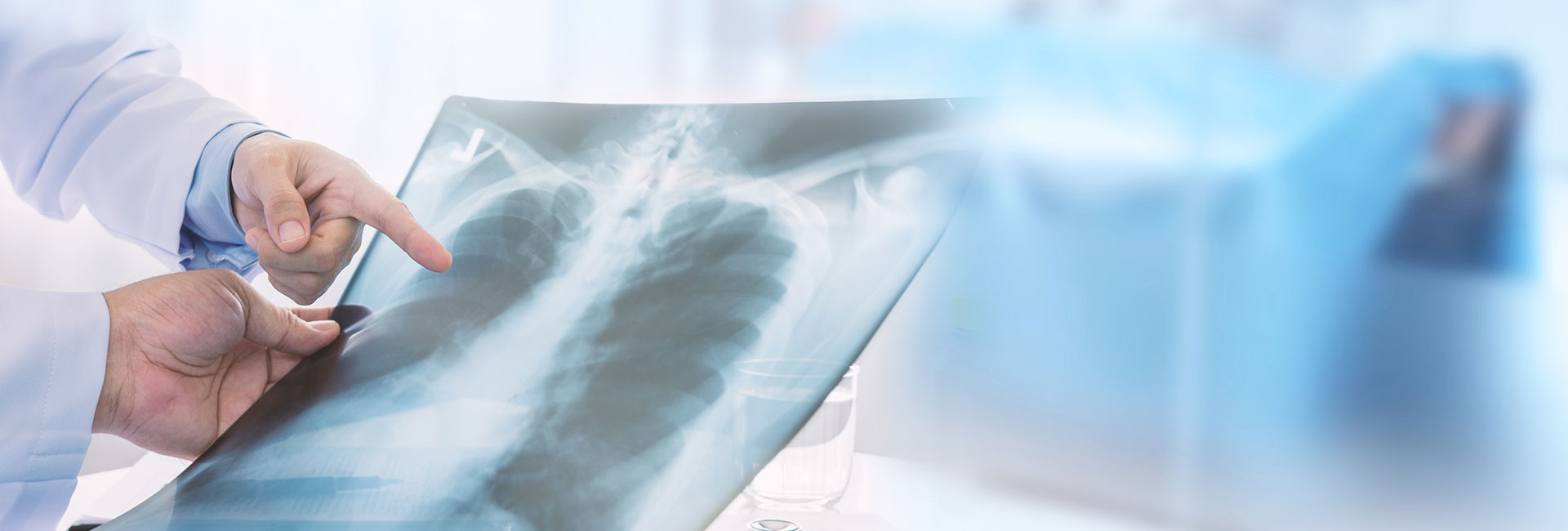
- X-ray or MRI may be conducted to view the imaging of the posterior, anterior and lateral positions of the spine. It also helps to assess and measure the discrepancy in the limb length.
Treatment
The method of treatment adopted by the spine specialist largely depends on the severity and location of the curve. The age of the child further determines the chances of progression of the deformity. The following treatment methods may be suggested for Adolescent Scoliosis:
- If the child is almost grown up and has less than 25 degree curve, he/she may be simply put under regular observation to rule out the progression of Scoliosis.
- If the curve is between 25-45 degrees, wearing a brace to prevent further deterioration may be recommended till the child is fully grown.
- Surgical intervention to realign the vertebra may be suggested when the curve is more than 45 degrees and bracing is not effective.
- Metal rods, screws and wires may be used to hold the bones in place until they fuse into a single bone and are completely healed.
Scoliosis Treatments
While some cases of scoliosis will not involve any form of treatment, some children could require a protective brace. On other occasions, surgery might be recommended with the goal of achieving a normal posture.
If it is determined that your son or daughter needs to be examined for scoliosis, your physician will often order X-rays in order to deliver a proper diagnosis. Your doctor can also utilize CT scans and MRIs in order to pinpoint the existence and form of scoliosis.
In situations that involve younger children and the potential of congenital scoliosis, additional examinations can include a review of the cardiovascular, neurological and genitourinary (organs related to urinary system) systems in order to achieve a correct diagnosis.
If a diagnosis of scoliosis is confirmed, the situation may not be serious enough to require treatment. In those cases, your doctor might request additional examinations every four to six months in order to observe the situation.
It is possible that your doctor will recommend a brace if your son or daughter’s curve ranges between 25 and 40 degrees. This would protect your child’s spine from any further progression in the curve.
There are also situations in which surgery will be an effective resource toward prohibiting any further progression in the curve of the spine. This is most likely to take place if the curve is larger than 40 degrees.
The most common surgery for adolescent idiopathic scoliosis is posterior spinal fusion. This involves having your son or daughter lie on his or her stomach. This process will require several hours. However, most teenagers can successfully return to school or their jobs with a time frame that ranges from two to four weeks after the surgery has concluded.
We, at OrthoTexas, provide comprehensive treatment for Adolescent Scoliosis.
Your path to recovery starts here. Schedule an appointment with OrthoTexas or find a location near you.