
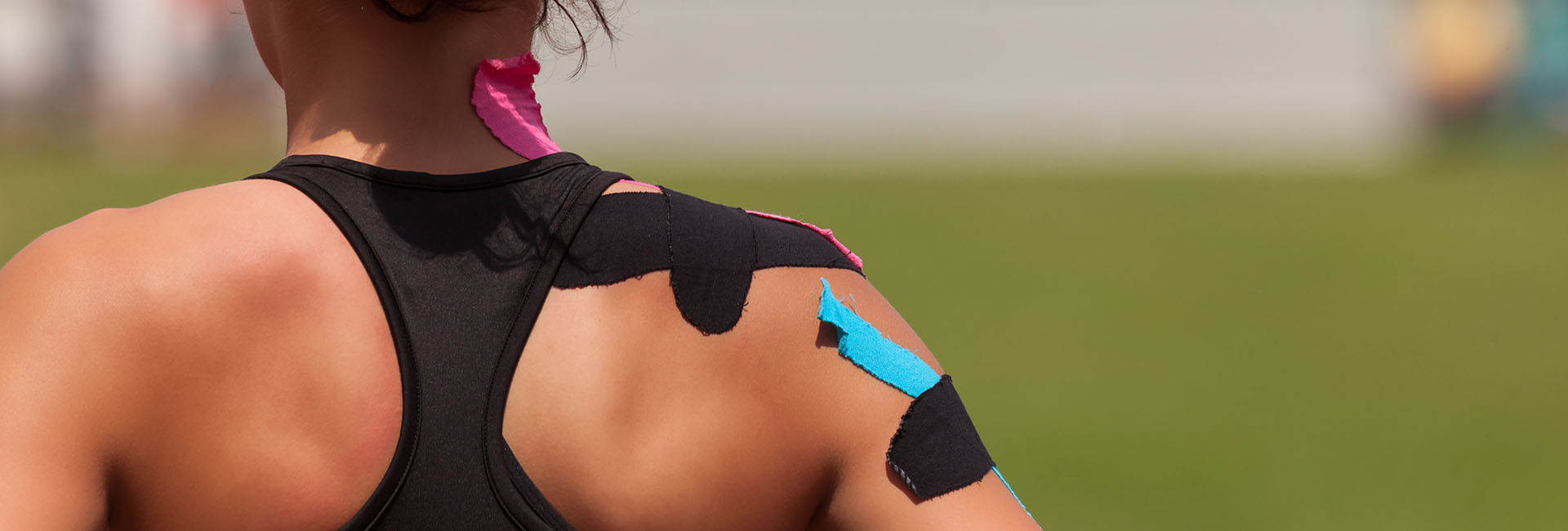
One of four muscles that make up the rotator cuff, the subscapularis muscle originates at the subscapular fossa and inserts onto the lesser tubercle of the humerus. The largest and strongest of the rotator cuff muscles, the subscapularis muscle consists of 60% tendon and 40% muscle. The subscapularis muscle turns the arm inward and allows one to lift and rotate the arm. Subscapularis tears commonly occur from overuse, trauma and age. Most trauma injuries occur from sporting events, falls and motor vehicle accidents.
This muscle also prevents the head of the humerus from slipping out of the shoulder socket.
Symptoms of a Subscapularis Tear
Most patients suffering from a tear of the subscapularis muscle complain of pain in the front of the shoulder. The shoulder may also make clicking or popping noises or feelings when rotating or moving the arm. The subscapularis muscle may tear alone or in tandem with other muscles of the rotator cuff, symptoms may vary depending on which muscles tear and how severely. The most commonly reported symptoms of a tear of the subscapularis muscle include:
- Pain and/or weakness of the arm or shoulder
- Increased pain when lifting the arm
- Difficulty reaching for items
- Pain underneath the collarbone
- Decreased movement of the joint
- Lifting, twisting and rotation of the arm may be painful
- Weakness of internal rotation
- Anterior shoulder swelling
- Tenderness in the affected part of the joint
- The shoulder may hurt when touched
Causes of Subscapularis Tears
Older people may suffer a tear of the subscapularis muscle due to arthritis or degeneration that occurs with age. In younger individuals, subscapularis tears typically occur due to injury or trauma. Sporting events commonly cause tears to the subscapularis muscle along with the other muscles of the rotator cuff. Traumatic events like falls or car accidents also often cause tears of the subscapularis muscle.
- Repeated arm movement that involves lifting or throwing actions
- Inefficient warm-ups before playing a sport
- Overuse injuries
- Playing a sport or training when the muscles are strained or injured
- Inherent mechanical problems in the shoulder joint
- Tendinitis: prolonged use of the muscles leads to degeneration
- Falling on the shoulder to break a fall
- Forceful forward or backward movement of the arm
- Slipping out of the biceps tendon from its groove and cutting across the subscapularis tendon
Diagnosing and Treating Subscapularis Tears
When suspecting an injury to the shoulder, patients should seek out the expertise of a board-certified shoulder physician. First the physician conducts a physical examination and goes over medical history with the patient. The doctor may perform a variety of physical “tests” including the lift-off test, bear hug test and belly press test. If the doctor suspects a tear to the subscapularis or any shoulder muscle, the physician orders an MRI to confirm the suspicion. The doctor may also perform an ultrasound.
If the physician finds a tear in the subscapularis muscle, treatment depends on the size of the tear and the patient’s lifestyle. With a small tear in an older individual with a relatively sedentary lifestyle, the treating doctor may recommend conservative treatments. Conservative treatments typically include nonsteroidal anti-inflammatory medications, physical therapy and potentially steroid injections.
In a younger patient, highly active patient or a patient with a full-thickness tear of the muscle, the physician most likely recommends surgery to repair the tear. In most cases, the surgeon performs the surgery arthroscopically, but in certain instances the surgeon may need to make a larger incision.
- The preferred mode of treatment in elderly patients is physical therapy for this condition.
- Arthroscopic surgery may be recommended in people who are physically active. During the procedure, the tendon is replaced or treated as per the severity of the condition
- Pec Major Transfer: This surgical procedure is adopted in case of chronic tears. The pectoralis major muscle is transferred in place of the subscapularis as it has the capability to perform the same function
- Sufficient rest is required for the affected shoulder and all activities that cause stress to the joint need to be avoided
- Injecting cortisones into the affected part may provide immediate relief
- Post-surgery, physical therapy and gradual mobility training may be helpful in regaining movement and strength
- The operated arm may be immobilized using a sling for a few days or weeks
Frequently Asked Questions
What Is a Subscapularis Tear?
A subscapularis tear is a type of rotator cuff injury that affects the subscapularis muscle, one of the four muscles that make up the rotator cuff in the shoulder. This tear occurs when the subscapularis muscle or its tendon is damaged or partially torn. It can result from overuse, trauma or the natural aging process and may cause pain, weakness and limited range of motion in the shoulder.
What Are the Common Symptoms of a Subscapularis Tear?
Common symptoms of a subscapularis tear include shoulder pain, especially in the front or deep within the shoulder joint. You may also experience weakness in the affected shoulder, making it challenging to perform everyday tasks like lifting or reaching. In some cases, individuals may notice a clicking or popping sensation when moving the shoulder, and they may have difficulty rotating the arm.
How Is a Subscapularis Tear Diagnosed and Treated?
Diagnosis typically involves a physical examination and imaging studies, such as MRI or ultrasound, to assess the extent of the tear. Treatment options vary depending on the severity of the tear. Conservative treatments like rest, physical therapy and anti-inflammatory medications are often recommended for mild to moderate tears. For more severe tears, surgical repair may be necessary. Our experienced orthopedic specialists will assess your condition and develop a personalized treatment plan to help you recover and regain shoulder function.
To know more about the treatment options for Subscapularis Tendon Tears, consult the physicians at OrthoTexas.