
Facet Joints’ or Z-joints (zygapophyseal joints) are pairs of joints that connect the bones of the spine. They are located in the posterior aspect of the spine. Facet Joints allow the spine to bend and twist while limiting the extent to which the spine does so.
The roots of various spinal nerves pass from the spinal cord to arms, legs and other parts of the body through these joints. Like the knee-joint, they too contain cartilage, synovium, and synovial fluid which facilitate easy, frictionless movement of the spinal vertebrae against each other. Facet joint disorders are very common and can cause serious problems including severe physical disability.
Facet joints may swell because of physical injury or Arthritis resulting in a host of symptoms. These symptoms may vary depending on the location of the affected vertebral joint.
Causes
- Spinal Arthritis
- Injuries in sportsmen resulting from vigorous exertion
- Direct injury to any part of the spinal column
- The process of aging may weaken the joint
- Degeneration of the intervertebral discs may overload the facet joints and cause pain
Symptoms
- Headaches
- Difficulty in twisting and bending the spine
- Pain in lower back, buttocks, and/or thighs
- Numbness
- The patient may have to turn the whole body to look right or left
- Difficulty in straightening up the back
- The symptoms may get aggravated while getting up from a sitting position
- Muscular weakness
- The symptoms generally occur in intermittent acute episodes with unpredictable frequency
- Tilting backward may be more painful than leaning forward
- Loss of flexibility of the spinal muscles
Diagnosis
- A detailed physical examination may be conducted by an orthopedic doctor to check for existing symptoms and loss of motion
- Injection of an anesthetic and anti-inflammatory substance resulting in immediate relief confirms Facet Joint Syndrome.
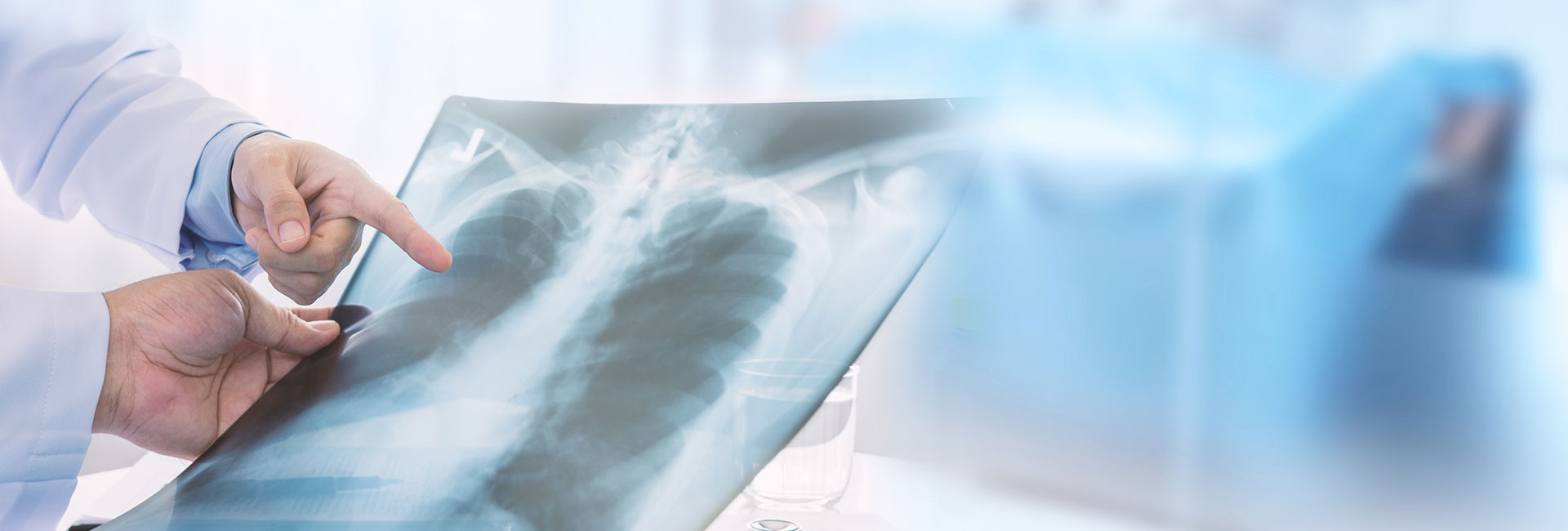
- Abnormality or changes in the facet joint structure can be assessed through X-Ray imaging
- Joint inflammation can be established through a bone scan
- CT scan and MRI may be useful in some cases.
Treatment
Non-surgical Options:
- Physiotherapy may be recommended to alleviate the symptoms and improve the flexibility and strength of the spine and surrounding muscles
- The patient may be advised to maintain a good posture
- A specific exercise called the Pelvic Tilt may be helpful
- Heat therapy may relax the affected muscles
- Application of ice packs at regular intervals may alleviate acute pain
- Some lifestyle changes may be suggested by the doctor to mitigate the symptoms
- Prescription of non-steroidal anti inflammatory medicines
- Use of a neck collar for support
- Cervical traction
- Avoid placing the head on a stack of pillows
Surgical Options:
- Arthrodesis: A surgical procedure that involves use of metal screws to hold two successive vertebrae.
- Bone Graft may also be used around the affected joint.
Cervical Spondylosis
What Is Cervical Spondylosis?
Neck pain is extremely common. It can be caused by many things, and is most often related to getting older. Cervical spondylosis is the degeneration of the joints in the neck. It becomes increasingly more common as people age. More than 85% of people over age 60 are affected.
Like the rest of the body, the bones in the neck (cervical spine) slowly degenerate as we age. This frequently results in arthritis. Arthritis of the neck is called cervical spondylosis. Although it is a form of arthritis, cervical spondylosis rarely becomes a crippling or disabling type.
Your neck is referred to medically as your cervical spine, and it is a configuration of bones, nerves, muscles, ligaments and tendons that performs multiple functions on an ongoing basis. Not only has your neck been tasked with the responsibility of supporting your skull, but it also assists in the flow of blood to the brain, and supplies a layer of protection for your spinal cord through the spinal canal that progresses through your seven cervical vertebrae (C1-C7).
Your cervical spine is also the most flexible portion of your spine, as your neck and head are able to freely move upward and downward, rotate to each side and bend through a sideways motion. While this flexibility of your cervical spine usually enables you to make these movements without any form of pain, health issues can sometimes emerge that can create discomfort anywhere from your shoulders to the lower portions of your head.
Causes of Cervical Spondylosis
Disk Degeneration and Bone Spurs
In the spine, arthritis can result as the disk degenerates and loses water content. In children and young adults, disks have high water content. As we get older, our disks begin to dry out and weaken, which is the cause of cervical spondylosis. This problem causes settling, or collapse, of the disk spaces and loss of disk space height.
As the facet joints experience increased pressure, they also begin to degenerate and develop arthritis, similar to the hip or knee joint. The cartilage that covers and protects the joints wears away.
If the cartilage wears away completely, it can result in bone rubbing on bone. To make up for the lost cartilage, your body may respond by growing new bone in your facet joints to help support the vertebrae. Over time, this bone overgrowth — called spurs — may narrow the space for the nerves to pass through (stenosis).
Risk Factors
There are several factors that increase your risk for cervical spondylosis. The following have all been linked to higher risks of neck pain and spondylosis:
- Genetics – if your family has a history of neck pain
- Smoking – clearly linked to increased neck pain
- Occupation – jobs with lots of neck motion and overhead work
- Mental health issues – depression/anxiety
- Injuries/trauma – car wreck or on-the-job injury
Symptoms of Cervical Spondylosis
Pain from cervical spondylosis can be mild to severe. It is sometimes worsened by looking up or down for a long time, or with activities such as driving or reading a book. It also feels better with rest or lying down.
Additional symptoms of cervical spondylosis include but are not limited to:
- Neck pain and stiffness (may be worse with activity)
- Numbness and weakness in arms, hands and fingers
- Trouble walking, loss of balance or weakness in hands or legs
- Muscle spasms in neck and shoulders
- Headaches
- Grinding and popping sound/feeling in neck with movement
Since degeneration of the cervical spine is a natural result of the aging process, the fact that this is normal also keeps some people from noticing any symptoms. But many other patients will be confronted with stiffness and pain in the neck, along with numbness, weakness or tingling in the arms, hands, legs or feet. Decreased coordination and difficulty walking can also emerge, as can an increase in struggles with bowel or bladder control. Headaches, dizziness and a grinding feeling can also occur due to this condition.
When to Visit a Doctor
You should contact a physician if you are contending with neck pain that is severe, or if you have been dealing with discomfort for a few days without any decrease in the pain. It is also recommended that you visit a doctor if your pain has advanced to your legs or arms, or if you are also dealing with tingling, numbness, weakness or headaches.
What Your Doctor Will Do
In order to deliver a proper diagnosis, your physician will ask questions regarding your general health along with any medical history that is relevant to your neck discomfort and any other symptoms. This should include a complete examination of your neck, arms and shoulders with the potential that he or she will also examine your legs.
This will present your doctor with a more definitive understanding concerning your current level of flexibility and strength in those areas of your body. He or she might also check your neck and shoulders for swelling.
At that point, your physician might order diagnostic testing that could consist of X-rays, a CT scan, an MRI or an EMG – which measures the degree of dysfunction with nerves and muscles with electrical impulses. It is possible that your physician will also order blood tests in order to deliver a more complete diagnosis.
Treatment
Nonsurgical Treatment
Physical therapy: Strengthening and stretching weakened or strained muscles is usually the first treatment that is advised. Your physical therapist may also use cervical (neck) traction and posture therapy. Physical therapy programs vary, but they generally last from six to eight weeks. Sessions are scheduled two to three times a week.
Medications: Several medications may be used together during the first phase of treatment to address both pain and inflammation. These medications include acetaminophen (for mild pain), nonsteroidal anti-inflammatory drugs (NSAIDs) and muscle relaxants (cyclobenzaprine, carisoprodol).
Other nonsurgical treatments include soft collars; ice, heat and massage; steroid-based injections (cervical epidural block, cervical facet joint block and medial branch block) and radiofrequency ablation.
Although less invasive than surgery, steroid-based injections are prescribed only after a complete evaluation by your doctor. Before considering these injections, discuss with your doctor the risks and benefits of these procedures for your specific condition.
Surgical Treatment
It is uncommon for people with only cervical spondylosis and neck pain to be treated with surgery. Surgery is reserved for patients who have severe pain that has not been relieved by other treatment. Some patients with severe pain will unfortunately not be candidates for surgery. This is due to the widespread nature of their arthritis, other medical problems or other causes for their pain, such as fibromyalgia.
People who have progressive neurologic symptoms, such as weakness, numbness or falling, are more likely to be helped by surgery.
OrthoTexas provides diagnosis and treatment of Facet Joint Syndrome and other orthopedic conditions that cause back pain. To schedule an appointment, call (972) 492-1334.