
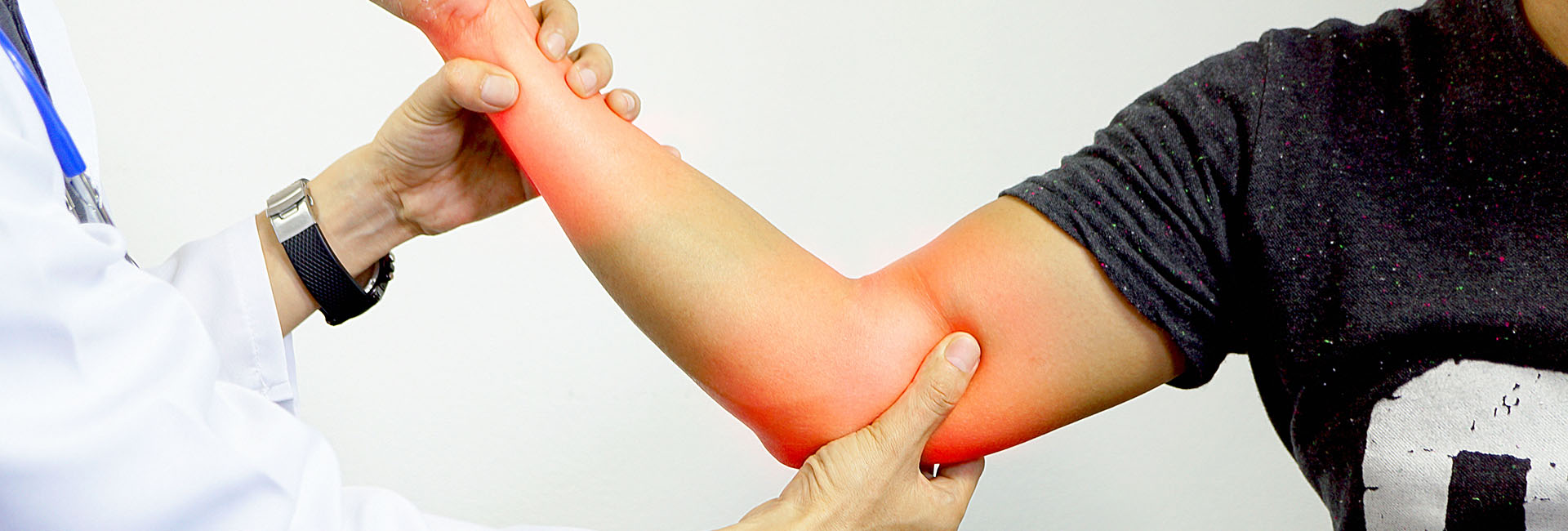
Joint problems can be found among young children, women, active people and the elderly. These problems are one of the most common orthopedic issues that people face and can result from a number of different factors. Joint is the location where different bones in our body connect, which is helped by ligaments and tendons. The principle job of a joint is to lend stability, strength and range of motion to our body. Joint problems can sometimes be difficult to deal with, depending on the severity of the symptoms and the amount of damage caused. Here are some common kinds of joint problems that people usually suffer from.
Arthritis
Classified into different types, Arthritis is a condition that causes inflammation of the joints. This can happen due to many reasons including age related deterioration, wear and tear, damage from overuse or impact, a decrease in the right amount of cartilage and auto immune disorders. Arthritis is seen in people from all ages and this condition can affect a variety of different joints in the body. The common symptom of arthritis is a feeling of stiffness in the joints which slowly gives rise to joint pain. Treatment of Arthritis is usually symptomatic with the focus being on speeding up natural healing and preventing further damage.
Osteoarthritis
Osteoarthritis is the specific kind of arthritis which results from the gradual wearing out of cartilage tissue from the joints. Primarily seen as an age related condition, osteoarthritis can be seriously debilitating causing pain, stiffness and loss of range of motion. The treatment consists mostly of physical therapy, exercise and following better habits.
Osteoarthritis affects millions of people worldwide, making it far and away the most common form of arthritis. It can be found in any joint, but is most common in hands, fingers, knees and hips. This is most likely because it is caused by overuse. Think for a moment about what you’re putting the most wear and tear on in a day: your hands and your legs will certainly come up. While the amount of walking we do in a day is sometimes invisible to us, our joints do not forget.
An early symptom of osteoarthritis is tenderness. The joint may feel soft to the touch, especially when pressure is applied. Inside the joint, you’re likely to feel some stiffness. It might become difficult to move. You may then lose flexibility in the joint and then experience pain. In some cases, osteoarthritis leads to bone spurs or extra pieces of bone around the joint.
Osteoarthritis occurs when the cartilage between your joints becomes worn down, mostly by overuse (as mentioned above). If you’ve spent years of your life doing hard work of any sort, you are at a greater risk for osteoarthritis because of this. Of course, this cartilage naturally becomes worn down, so it is difficult to combat osteoarthritis.
Rheumatoid Arthritis
Rheumatoid Arthritis is a condition that involves the immune system and damage is caused to the joints by body’s own immune system. This auto-immune condition usually affects the hands and feet but can happen with other important joints as well. With no sure cure for this condition, the treatment is limited to measures meant to reduce pain and swelling.
Related to osteoarthritis, rheumatoid arthritis is nasty in its own right. An autoimmune disorder, rheumatoid arthritis is most likely to manifest as joint pain. However, it’s also been known to cause damage to almost all bodily systems, including the skin, heart and lungs. Rheumatoid arthritis occurs when your body mistakes your own tissue as a foreign body and begins to attack it. It is perhaps simplest to think of rheumatoid arthritis as your body thinking it is an illness.
When you begin to experience rheumatoid arthritis, the first thing you are likely to notice is tender, warm joints. They will noticeably swell, and become stiff. This stiffness will be especially noticeable in the morning, or after other periods of long inactivity. After this, you may begin to experience fever, fatigue and weight loss.
If you suspect you have rheumatoid arthritis, you should seek medical attention immediately. If you have persistent symptoms, it is absolutely imperative. Rheumatoid arthritis is a frightening thing and should be dealt with swiftly.
Lyme Disease
Similar to its arthritic friend, Lyme disease is a scary thing. Spread by ticks (the population of which is growing year by year), Lyme disease can kill you if left unchecked. You might be familiar with the disease, as it has gained prominence in recent years. Don’t let the fame fool you. Lyme disease is deadly and should be checked for.
The disease manifests early on as something of a terrible flu. You will be feverish and fatigued, and normally break out in a rash. Lyme disease is notable for its “bull’s-eye” rash pattern, where a small infected area is surrounded by a larger one. This is a telltale sign, and if you see it on yourself or others you should seek medical help. Unfortunately, this sign appears in only 23% of cases, meaning you’ll have to look elsewhere to determine if Lyme disease is an issue. You should consider it if you have been in any heavily forested areas at any point.
Later-stage Lyme disease can cause severe joint issues and is a likely cause of great pain or swelling. If you experience any of these symptoms, you should seek treatment immediately. The longer you go without it, the worse your hopes of being cured will become.
Strains and Sprains
Among the most common joint problems, strains and sprains can be caused as a result of different physical activities and are usually easy to treat. While sprains involve damage to a ligament, strains have to do with damage to tendons and muscle tissue. These conditions are more frequently found in the legs, especially in the calf and thigh muscles.
Common symptoms are bruising, inflammation, pain and cramps. The usual line of treatment of a sprain or strain includes rest, immobilization, ice packs and prescription of medication.
Your path to recovery starts here. Schedule an appointment with OrthoTexas or find a location near you.