
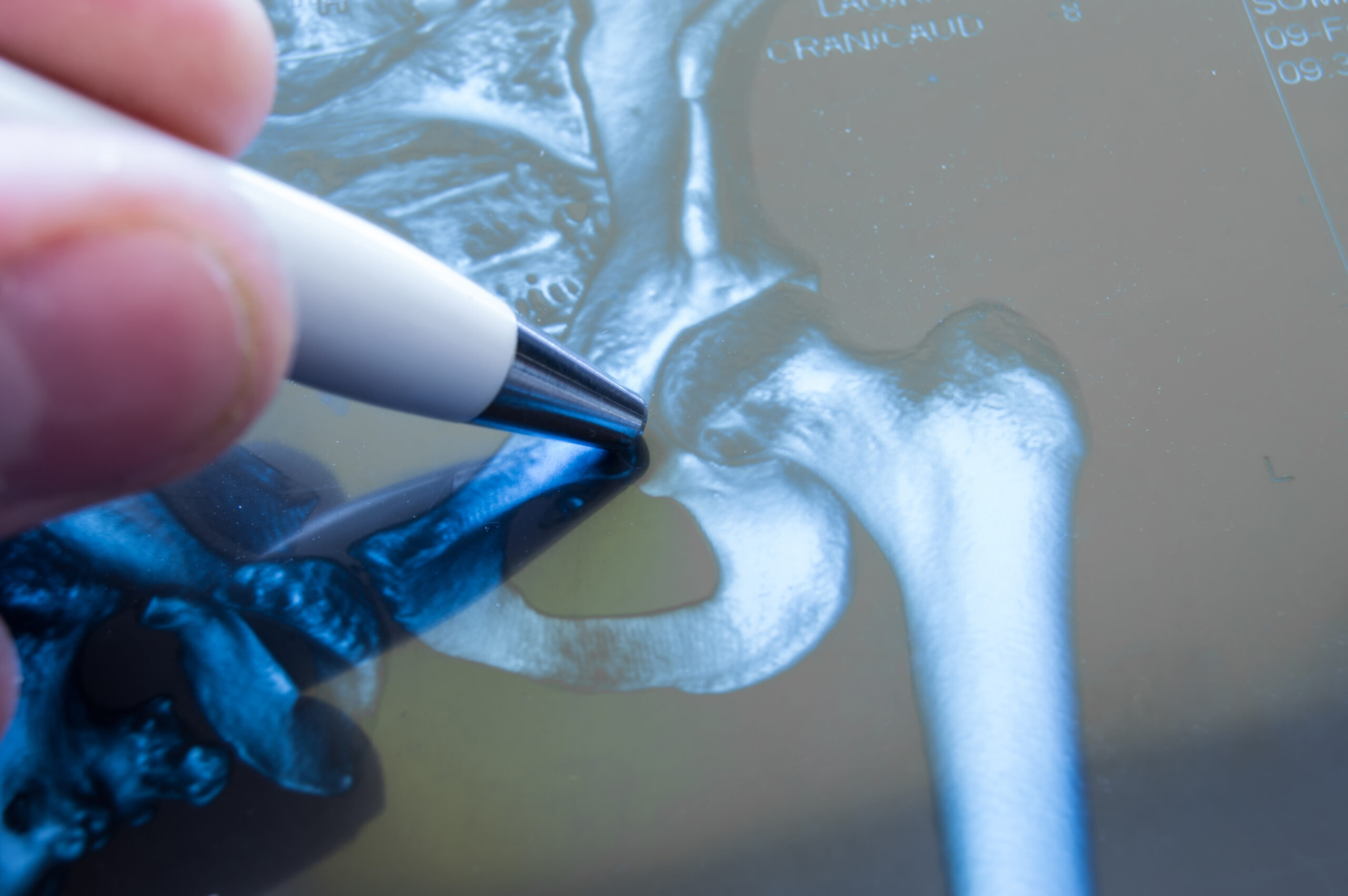
Understanding Hip Fractures
Hip fractures are a significant medical concern, especially for older adults whose bones may be weakened by osteoporosis or other health conditions. The hip joint, where the femoral head meets the acetabulum, is essential for supporting body weight and enabling movement. The femur, also known as the thigh bone, forms a critical part of this joint. When a hip fracture occurs — meaning there is a break or crack in the upper part of the femur near the hip joint — it can lead to a sudden loss of mobility, independence and overall quality of life. A broken hip is a severe injury and often considered a medical emergency due to the high risk of complications and the need for immediate treatment. Among the risks, blood loss can be a life-threatening complication, especially if the femoral artery is damaged during the injury. Recognizing the symptoms and understanding the available treatment options are crucial steps toward effective recovery and regaining function after a hip fracture.
Your Guide to Hip Fracture Repair With Surgical Screws
Causes and Symptoms of Hip Fractures
Hip fractures most commonly result from trauma, such as falls, particularly in older adults with fragile bones. Other contributing factors include underlying bone health issues like osteoporosis, cancer or hyperparathyroidism, as well as genetic predispositions. The primary symptoms of a hip fracture are that patients may feel pain in the hip or groin area, experience severe hip pain, have an inability to bear weight on the affected leg and have restricted movement. Some individuals may also notice swelling or bruising around the hip area. If a hip fracture is suspected, immediate medical attention is vital. Diagnosis typically involves a physical examination and imaging tests such as X-rays, CT scans or MRI to confirm the break and determine the best course of treatment. Early intervention can help prevent complications like blood clots and avascular necrosis and improve the chances of a successful recovery.
Understanding Hip Fracture Treatment
When it comes to hip fracture treatment, prompt and effective care is essential for the best possible outcome. Hip fractures can involve different parts of the hip joint, such as the femoral neck or the area between the greater and lesser trochanters, and each type requires a tailored approach. The main goals of hip fracture treatment are to relieve hip pain, restore mobility and minimize the risk of complications like blood clots or avascular necrosis. Treatment options may include total hip replacement surgery, partial hip replacement or hip fracture repair, depending on the type and severity of the fracture. For example, femoral neck fractures and intertrochanteric fractures may be managed differently based on the patient’s age, bone quality and overall health. Seeking immediate medical attention is crucial, as delays in treatment can lead to severe hip pain, impaired blood flow and increased risk of long-term disability. By working closely with a skilled medical team, patients can receive the most appropriate hip fracture treatment for their specific needs.
Surgical Options for Hip Fractures
There are several surgical options available for treating hip fractures, and the choice depends on the type of fracture, its location and the patient’s overall health. Total hip replacement surgery is often recommended for complex or displaced hip fractures, especially in older adults, as it replaces the damaged hip joint with an artificial one to restore function and reduce pain. Partial hip replacement may be suitable for certain types of fractures where only part of the hip needs to be replaced. For less severe fractures, hip pinning is a common procedure, where screws or rods are used to hold the broken bone in place while it heals. In some cases, internal fixation with a metal plate or rod is necessary to stabilize the fracture and support the bone during recovery. The orthopedic surgeon will carefully evaluate each patient’s condition and medical history to determine the most effective surgical approach, ensuring the best possible outcome for hip fracture repair.
Hip Fracture Treatment With Surgical Screws
This surgical procedure uses metal surgical screws, which are a type of internal fixation, to repair a fracture of the head of the femur. This procedure is typically used for patients who have minimal damage to the bone and minimal shifting from the fracture. The types of screws and utilization of the screws will vary depending on the hip fracture type. Depending on the type of hip fracture, other internal fixation devices such as a metal rod or hip pinning may be considered to stabilize the fracture and restore stability to the hip joint.
Types of Hip Fractures
Fractures of the hip are generally categorized into three types based on the location of the fracture. Intracapsular fractures, which include femoral neck fractures, occur within the joint capsule. The fracture can also occur in the top of the femur or just below the top of the femur.
Intertrochanteric Hip Fractures
Intertrochanteric means between the trochanters. The anatomy of a femur includes the greater and lesser trochanter. The greater trochanter is a prominent ridge on top of the femur, and the lesser trochanter is a smaller ridge on the inside of the leg just below the femoral neck. An intertrochanteric fracture is located between the two trochanters.
Intracapsular Hip Fracture Repaired With Surgical Screws
Intracapsular hip fracture repair with surgical screws is a type of hip fracture surgery typically used for patients who are young and healthy enough to recover and heal properly. Multiple small screws may be used, or in some cases, one large compression screw. For patients who are not candidates for this type of hip fracture surgery, a total hip replacement or a partial hip replacement would be considered. The decision between surgical screw repair, total hip replacement or partial hip replacement is made by the medical team based on the patient’s overall health and the specific characteristics of the fracture.
Subtrochanteric Hip Fractures
A subtrochanteric hip fracture is located below the lower trochanter in the femur.
Subtrochanteric Hip Fracture Repaired With Surgical Screws
Subtrochanteric hip fractures are held in place with a large nail traveling along the marrow of the bone with lag screws and compression screws attached parallel to the nail for stability.
Preparing for Surgery
Preparation for hip fracture surgery is a critical step in ensuring a successful procedure and smooth recovery. The process begins with imaging tests, such as X-rays or CT scans, to accurately assess the location and extent of the fracture. The medical team will also conduct a thorough evaluation of the patient’s overall health, taking into account any existing medical conditions that could affect surgery or recovery. Patients may be advised to stop taking certain medications, like blood thinners, to reduce the risk of bleeding during surgery. Fasting for a specific period before the procedure is usually required. Additionally, it’s important to plan for postoperative care, including arranging for physical therapy and support at home or in a rehabilitation center. By following the medical team’s instructions and preparing in advance, patients can help ensure a safer surgery and a more effective recovery from their hip fracture.
What to Expect After Surgery
After hip fracture surgery, patients can expect some pain and discomfort, which is typically managed with pain medicines prescribed by the medical team. The affected hip and leg may be immobilized temporarily to allow the bone to heal properly. Early physical therapy is a key part of the recovery process, helping patients regain strength and mobility in the affected hip. Most patients will use mobility aids, such as walkers or crutches, to avoid putting too much weight on the affected leg during the initial healing phase. The medical team will closely monitor the patient’s progress, watching for potential complications like blood clots or infection, and adjust the treatment plan as needed. With attentive care and a focus on rehabilitation, patients can gradually return to their daily activities and experience significant pain relief.
Hip Fracture With Surgical Screws Recovery
Recovery time after surgical correction of a hip fracture with screws can vary depending on individual circumstances. Patients are generally looking at about three months for the fracture to heal, with an additional three to nine months of recovery focusing on regaining strength and flexibility of the joint. Most patients will see significant improvement within a few months, but full recovery may take longer. Some patients may require a short stay in a rehabilitation center after leaving the hospital to help regain independence and mobility. Recovery outcomes can also be influenced by other factors such as age, overall health and the severity of the fracture. Full functioning recovery is roughly six months to a year from the initial surgical correction of a hip fracture, with most people getting some quality of life back between a month and four months from surgery. In rare instances, complications such as implant wear or dislocation may require additional medical intervention.
Recovery Time and Outcomes
Recovery time after hip fracture surgery can vary depending on several factors, including the patient’s age, overall health and the severity of the fracture. Most patients notice significant improvements within the first few months, with continued progress over the course of a year. Physical therapy is essential for rebuilding strength, improving mobility and restoring range of motion in the affected hip. With consistent treatment and adherence to the orthopedic surgeon’s recommendations, most patients can achieve a full recovery and return to their normal routines without severe hip pain. For guidance on tips for a successful recovery after orthopedic surgery, it’s important to attend all follow-up appointments and communicate with the medical team to address any concerns during the recovery process. By staying committed to rehabilitation and self-care, patients can look forward to regaining independence and enjoying an active lifestyle after hip fracture surgery.
Managing Hip Pain
Hip pain is a hallmark symptom of hip fractures and can range from mild discomfort to intense pain that limits movement. Effective pain management is essential for recovery and may include pain medicine and physical therapy. A physical therapist works closely with patients to develop individualized pain management and rehabilitation plans, focusing on exercises and stretches that help restore mobility, strength and function.