
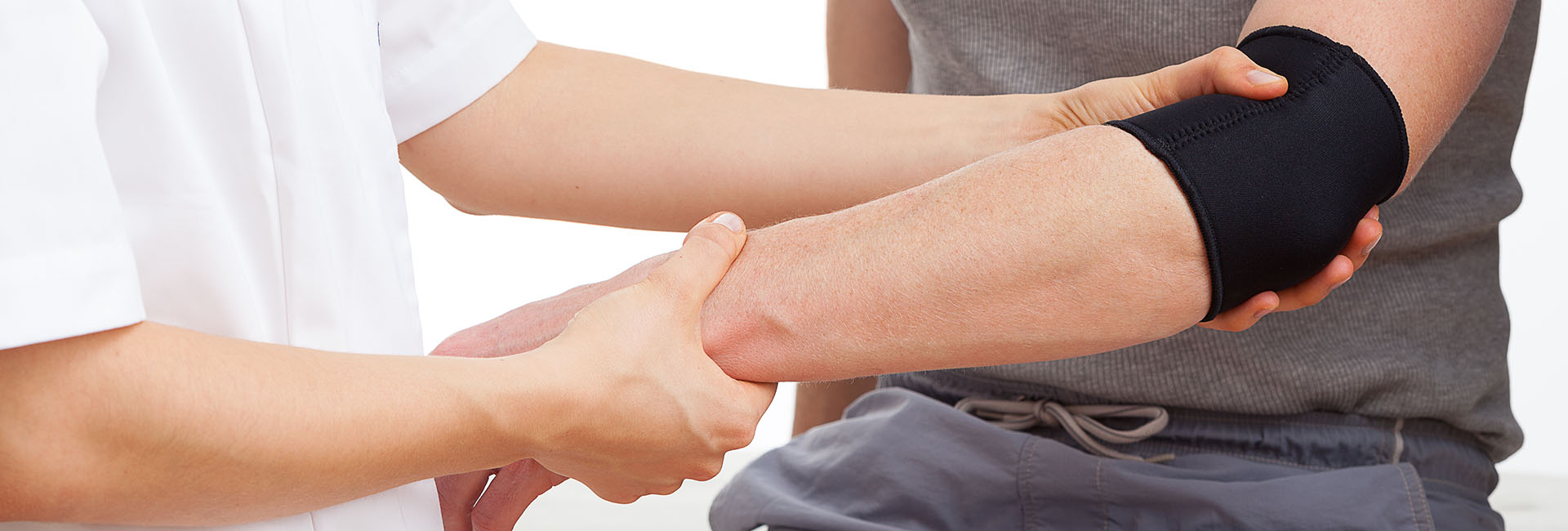
Olecranon Bursitis is a common medical condition with symptoms like inflammation and swelling in the Bursa. Bursa is a small fluid filled sac located at the outer portion of the elbow which provides a soft covering to the elbow and allows for smooth movements when straightening or bending the joint. Inflammation can cause the Bursa to produce more fluid and thus form a painful bubble at the tip of the elbow.
The condition is also known as ‘Water Elbow’, ‘Baker’s Elbow’ or Student Elbow’. At OrthoTexas, Plano, TX, we provide complete diagnosis and treatment to the patients suffering from Olecranon Bursitis.
Causes
Trauma: A direct or indirect blow to the elbow tip can cause the Bursa to swell and produce more fluid.
Prolonged pressure: Resting on the elbow tip for long hours on hard surfaces, like a tabletop, may also cause this condition. People with certain occupations, such as technicians or plumbers, are more at risk as they have to lean on their elbows for long periods.
Overuse Injuries: Frequent, repetitive motions, such as those required in sports or certain occupations, can place stress on the elbow joint and contribute to bursitis.
Infection (Septic Bursitis): If bacteria enter the bursa through a small cut or abrasion, the bursa can become infected, leading to increased swelling, warmth and redness in the elbow.
Other medical conditions: People with Rheumatoid Arthritis or Gout are also more prone to develop Olecranon Bursitis.
Symptoms
- Swelling at elbow tip
- Stiffness of the joint
- Pain when the elbow comes in contact with anything
- Restricted movement of the elbow
- A bubble, which may or may not be red, protruding out of the elbow
- Fever, in rare cases
Diagnosis
The orthopedic doctor will physically examine the symptoms and the medical history of the patient. He may also recommend certain imaging tests, such as X-rays, to rule out the possibility of any other problem.
Treatment
The orthopedic doctors at OrthoTexas prefer to treat Olecranon Bursitis using non-surgical techniques which may include:
Elbow Pads: This helps by providing a cushioning to support the elbow.
Medications: Over-the-counter anti-inflammatory medications can also help to reduce pain and swelling.
Activity modification: Avoiding activities that put strain on the elbow can also help relieve the symptoms.
Injections: If the symptoms do not begin to subside even after a few weeks, the orthopedic doctor may prescribe injecting steroid medications directly into the Bursa.
Surgery may be recommended in severe cases of Olecranon Bursitis. If the Bursa has been infected, the doctor may remove the Bursa to allow the formation of a new and normal one over time.
Olecranon Bursitis From an Infection
If your doctor suspects that bursitis is due to an infection, he or she may recommend aspirating (removing the fluid from) the bursa with a needle. This is commonly performed as an office procedure. Fluid removal helps relieve symptoms and gives your doctor a sample that can be looked at in a laboratory to identify if any bacteria are growing. This also lets your doctor know if a specific antibiotic is needed to fight the infection.
Your doctor may prescribe antibiotics before the exact type of infection is identified. This is done to prevent the infection from progressing. The antibiotic that your doctor prescribes at this point will treat a number of possible infections.
Olecranon Bursitis Not From an Infection
If the bursitis is not from an infection, it can be treated with a number of options including splints to hold the elbow still and let the inflammation subside, elbow pads to cushion the elbow and medications.
If swelling and pain do not respond to these measures after three to four weeks, your doctor may recommend removing fluid from the bursa and injecting a corticosteroid medication into the bursa. Corticosteroid injections usually work well to relieve pain and swelling. However, symptoms can return. Surgery is performed though uncommonly.
What Is Aspiration of the Olecranon Bursa?
Aspiration of the olecranon bursa is a minimally invasive procedure designed to relieve pain and swelling caused by bursitis. During this outpatient procedure, a healthcare provider uses a needle and syringe to remove excess fluid from the bursa, reducing pressure and inflammation.
This procedure is particularly effective for relieving symptoms of non-infectious bursitis and is often used as part of a broader treatment plan that may include medications and lifestyle adjustments.
How Is the Procedure Performed?
Step 1: Preparation
The area around the elbow is cleaned and sterilized to minimize the risk of infection. Local anesthesia may be applied to numb the area and ensure patient comfort during the procedure.
Step 2: Fluid Aspiration
A fine needle is carefully inserted into the swollen bursa, and the excess fluid is drawn out using a syringe. The amount of fluid removed will depend on the severity of the swelling.
Step 3: Post-Procedure Care
After the fluid is removed, the healthcare provider may inject a corticosteroid into the bursa to reduce inflammation and prevent recurrence. A small bandage is placed over the site, and the patient is typically able to return home the same day.
Benefits of Aspiration
- Quick Relief: Aspiration provides immediate reduction in pain and swelling, improving elbow mobility.
- Minimally Invasive: The procedure is simple, requires no incisions and is performed on an outpatient basis.
- Diagnostic Insights: The fluid removed during aspiration can be analyzed to check for infection, gout or other underlying conditions.
Recovery After Aspiration
Most patients experience noticeable improvement in their symptoms shortly after the procedure. Recovery time is minimal, and patients are generally able to resume normal activities within a day or two. To prevent recurrence, it’s important to follow any additional recommendations from your healthcare provider, such as avoiding prolonged pressure on the elbow or using protective padding.
If the bursitis was caused by an infection, antibiotics may be prescribed, and follow-up care may be needed to monitor the condition.
Potential Risks and Complications
While aspiration of the olecranon bursa is a safe and effective procedure, there are some potential risks, including:
- Infection: Although rare, there is a slight risk of introducing bacteria into the bursa during the procedure.
- Recurrence: Bursitis can return if the underlying cause is not addressed.
- Soreness or Bruising: Mild discomfort or bruising at the aspiration site is common but usually resolves quickly.
Discuss any concerns with your healthcare provider to ensure the best outcome.
Preventing Elbow Bursitis
While not all cases of bursitis can be prevented, there are steps you can take to reduce your risk:
- Protect Your Elbow: Use elbow pads or cushions to reduce pressure when working or engaging in activities that place stress on the joint.
- Avoid Prolonged Pressure: Try to minimize resting your elbows on hard surfaces for extended periods.
- Address Underlying Conditions: Manage conditions such as gout or rheumatoid arthritis with the help of your doctor.
- Practice Good Hygiene: Keep the skin around the elbow clean and free of cuts to reduce the risk of infection.
To schedule an appointment with the orthopedic doctors at OrthoTexas, Plano, you can call at (972) 492-1334.