
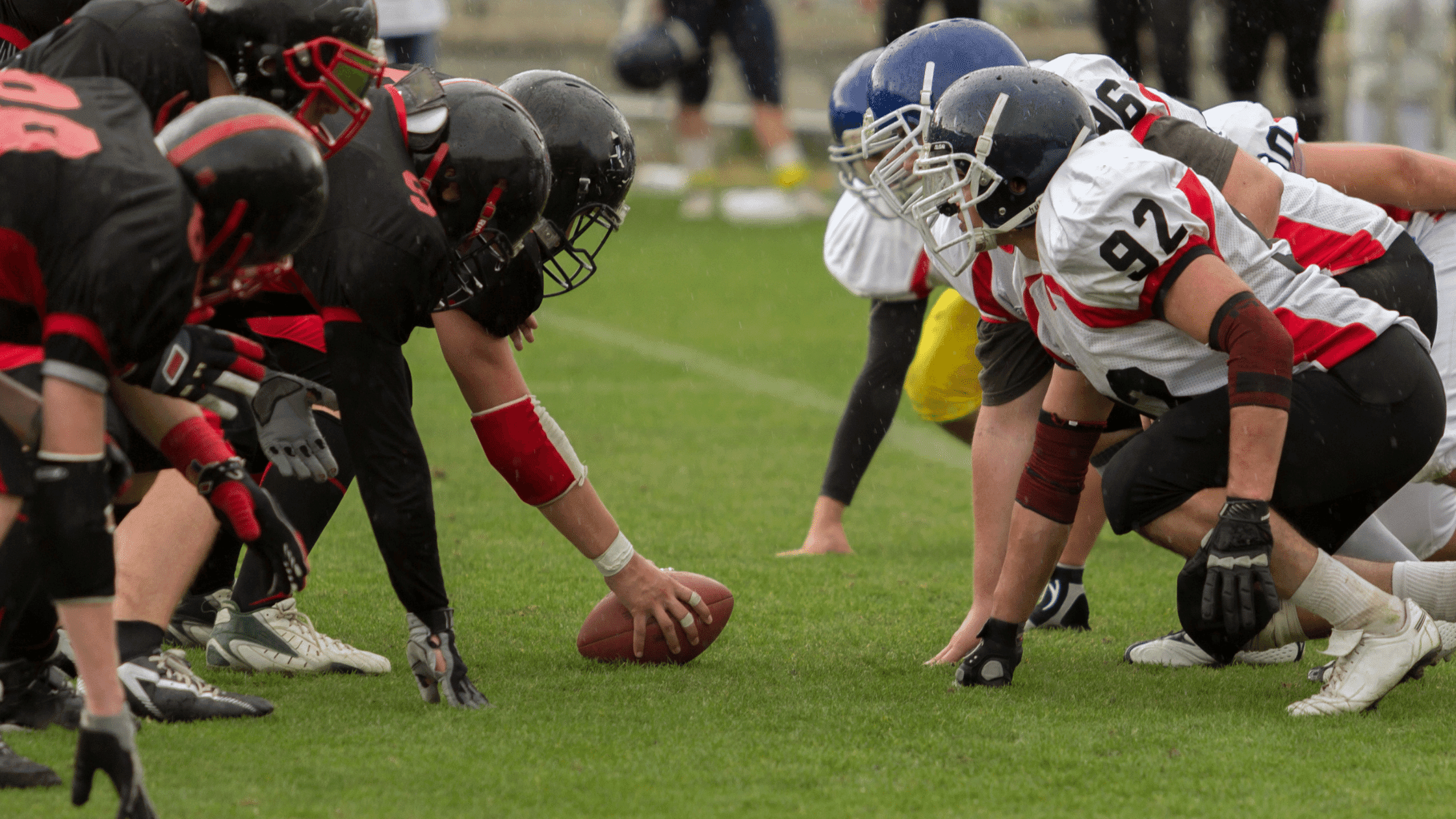
It’s exhilarating to feel the excitement when the Friday Night Lights turn on, and the team rushes onto the field. Football is an All-American sport that families love to enjoy.
Whether you are coaching your children on a little league team or playing on an intramural or professional team, orthopedic care is critical to preventing injury. Most people know that injury is common in this sport because of the movement and impact that happens.
The risk of injury is always present at all levels of participation: during a pick-up game with friends and at the biggest game of the year.
When Do Football Injuries Happen?
Sometimes spectators see a player go down on the field because of an injury during the game. While it’s possible to get hurt in the intensity of competition, there is also a high risk of injury during training.
In fact, it’s estimated that approximately half of all football injuries happen in training settings.
Facts about Football Injuries
How much do you know about the risk of injury in football? Here are a few interesting facts about football injuries:
- According to the Seton Medical Center’s San Francisco Spine Institute, approximately 1.2 million football injuries occur each year in the United States.
- Experienced coaches help to reduce the likelihood of injury, especially during training sessions.
- Older players have a higher risk of injury compared to younger participants.
- Approximately 50% of football injuries affect the lower extremities.
Most Common Football Injuries
The most common injuries in football include sprains, strains, bruises, dislocations and fractures. The greatest occurring injuries include:
Knee Injuries
Knee injuries are the #1 most common type of football injury. ACL injuries and meniscus tears are the highest risks, usually happening when there is a direct hit to the knee or a sudden twist in movement. Often, meniscus tears occur in conjunction with ACL tears.
If an ACL injury occurs, the athlete often feels a “popping” sensation at the time of injury. Then, symptoms continue to develop, including swelling and pain in the joint.
Since the ACL is one of the stabilizing ligaments within the knee joint, tearing this ligament can result in knee instability. You might feel like the knee is giving out or buckling when putting weight on that leg.
When the meniscus is torn, you might have a sensation of the knee locking or catching. This symptom can happen when you are walking or standing.
Depending on the severity of the knee injury, surgery might be recommended to repair the joint. However, early intervention is important to prevent long-term complications from the tear.
Shoulder Injuries
When a tackle happens, and the player is taken down to the ground, the fast movement and angle of the tackle can put pressure on the shoulder joint. The impact of the hit can cause the shoulder to become dislocated. Or, falling onto an outstretched arm can also result in a shoulder injury.
AC joint injuries in the shoulder can happen with severe dislocations. The abrupt injury causes tears in the soft tissue surrounding the joint. This injury is often known as a “shoulder separation” since the tissues tear in the area where the scapula and collarbone connect.
Most often, minor or moderate shoulder injuries are treatable without surgery. But sometimes, surgical treatments are necessary to avoid ongoing pain or functionality issues that affect the throwing arm.
Shoulder injuries can also occur as the result of overuse. For example, the repetitive motion of throwing the football can increase the risk of rotator cuff tears – either partial or complete.
Overuse injuries can affect people of all ages. But, most of the time, these injuries happen in adults, not younger athletes.
Foot and Ankle Injuries
When the ankle twists or rolls, it can cause injury to the joint. Often, ankle injuries happen when a player lands awkwardly when changing direction or jumping.
This movement can cause the ligaments within the ankle joint to strain or stretch beyond tolerance. As a result, small tears happen.
The symptoms of an ankle injury often include limited mobility, swelling and pain. Proper recovery and treatment are essential to speed up healing, but these symptoms can often last for weeks.
In football, Achilles tendonitis is another common injury that affects the ankle. This band of tissue runs between the heel bone and the calf muscle. Pain starts as a mild ache, then progresses to a serious injury if the tendon is damaged or ruptured.
Bone Fractures
The risk of bone fractures in football is higher than in other sports because of the contact nature of the game. Every tackle and catch of the football requires the use of the players’ hands, which increases the likelihood of fractures affecting the fingers.
Additionally, fractures can happen in the pelvis, shoulder or clavicle due to a hard fall or brutal tackle.
Sometimes, these fractures happen because of the impact when a tackle occurs. Or, fractures can be the result of repetitive motion and overuse.
Categorizing Football Injuries
When you talk to a sports medicine doctor for diagnosis and treatment, it’s common for football injuries to be broken down into different categories. This categorization helps to guide the doctor in selecting the ideal type of treatment plan.
These are the most common types of injuries that affect football players (and other athletes):
- Traumatic Injuries: The impact of the game can result in a traumatic injury, such as ankle sprains, tears in the knee ligaments, shoulder injuries and more. Usually, a traumatic injury is acute, meaning it happens suddenly, and the intense pain starts immediately.
- Overuse Injuries: You don’t need to have one specific moment of injury to know that it’s time to see a sports medicine doctor. Overuse injuries can be chronic, often happening when a football player is overtraining. Pain and mobility issues can develop over time, especially when the player pushes through the pain and continues training.
- Overheating: When training is happening at the summer’s end, the temperatures are hot and can result in heat injuries. Intense physical activity in these hot conditions can cause excessive sweating, leading to heatstroke and other concerns. It’s essential to cool the body and hydrate to minimize the risk of more serious issues.
- Concussions: Football players have a high risk of concussion because of traumatic injuries to the head. You’ll know if a concussion occurs when these symptoms are present: dizziness, headache, drowsiness, loss of balance, tingling, numbness, blurry vision, nausea and more.
Preventing Football Injuries
You don’t need to wait until an injury occurs before talking to an orthopedic doctor. Our sports medicine specialists offer proactive care to improve your performance and reduce the risk of injury on the field.
Many serious athletes choose to partner with sports medicine doctors to design personalized treatment plans that strengthen the body and reduce the likelihood of injury. We will discuss your unique concerns and the weak points in the body to determine a proactive training plan.
Hydration and a healthy diet can also play a role in preparing you to be the best player possible – while also minimizing the risk of injury. When you are feeling well and your mind is sharp, it’s easier to avoid common mistakes that can cause football injuries.
Also, it’s wise to plan a preseason health and wellness evaluation with a sports medicine doctor. This appointment is a great way to assess the body’s current condition. Then, the specialist can offer personalized recommendations to help with optimal performance and minimize injuries in the coming season.
Treatments for Football Injuries
When an injury takes you out of the game, an orthopedic specialist is a great resource to facilitate your recovery. It’s critical to seek specialized care instead of pushing through the pain. This injury is an indication that something is wrong – you need to recover before causing additional injury or complications.
At OrthoTexas, we provide a full range of treatment solutions for sports-related injuries. However, just because you are visiting with an orthopedic surgeon doesn’t necessarily mean that surgery will be recommended.
Instead, we complete a thorough diagnosis to determine the underlying cause of your pain and injury. Often, minor injuries respond well to minimally invasive treatments and physical therapy.
There are times when serious injuries require immediate surgical intervention. For example, if you have a tear or break, surgery might be necessary to ensure proper healing.
How to Know When You Need to See a Sports Medicine Doctor
Is it time for you to book an appointment with a sports medicine doctor? Here are a few signs that you will benefit from these services:
- You have an acute injury that occurred because of sports or exercise activities
- You want to improve your fitness and performance in the game
- You are experiencing chronic pain and want to find relief
- You are looking for ways to minimize the risk of sports-related injuries
While many players seek sports medicine treatments after an injury occurs, there is a notable benefit from taking a proactive approach to sports medicine. Working with a sports medicine doctor is a way to support your overall wellness and avoid common football injuries that could potentially happen in the future.
Schedule a Consultation with a Sports Medicine Specialist
Book an examination with us at OrthoTexas. We’ll assess the injury and create a personalized treatment plan to help you get back in the game as soon as possible.
Additionally, we offer proactive services to help you optimize your performance and minimize the risk of injury in training and on the field. Request an appointment today to schedule a consultation.