
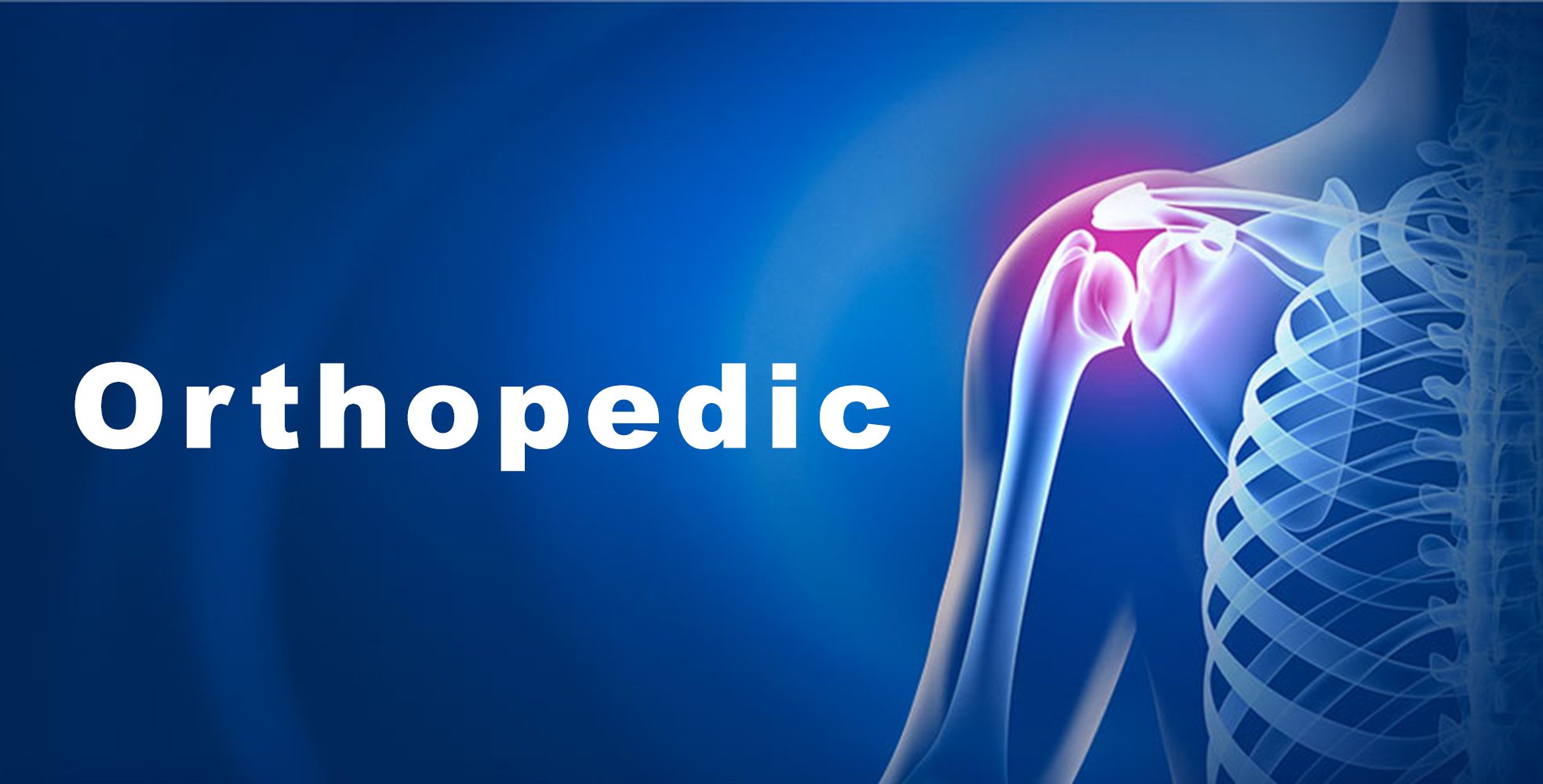
Biceps tendinitis is an inflammation or irritation of the upper biceps tendon. Also called the long head of the biceps tendon, this strong, cord-like structure connects the biceps muscle to the bones in the shoulder. Pain in the front of the shoulder is a common symptom of biceps tendinitis.
If you are experiencing pain or weakness in your shoulder there are multiple reasons why this might occur. The possibilities range from a sprain or strain to arthritis, bursitis, frozen shoulder and swimmer’s shoulder. Shoulder discomfort can also emerge due to a rotator cuff issue, a broken collarbone, broken arm or separated shoulder.
Anatomy
Your shoulder is a ball-and-socket joint made up of three bones: your upper arm bone (humerus), your shoulder blade (scapula) and your collarbone (clavicle). The biceps tendons attach the biceps muscle to the shoulder blade (scapula).
The biceps muscle is in the front of your upper arm. It has two tendons that attach it to bones in the shoulder. The long head attaches to the top of the shoulder socket (glenoid), and the short head of the biceps tendon attaches to a bump on the shoulder blade called the coracoid process.
A mixture of tendons and muscles have the responsibility of keeping your shoulder socket aligned with your arm bone centered in your shoulder socket.
Description
Biceps tendinitis is inflammation of the long head of the biceps tendon. In its early stages, the tendon becomes red and swollen. As tendinitis develops, the tendon sheath (covering) can thicken. The tendon itself often thickens or grows larger. The tendon in these late stages is often dark red in color due to the inflammation. Occasionally, the damage to the tendon can result in a tendon tear, and then deformity of the arm (a “Popeye” bulge in the upper arm). In some cases, there is also damage to the rotator cuff tendon.
In most cases, damage to the biceps tendon is due to a lifetime of normal activities. This damage can be worsened by overuse — repeating the same shoulder motions again and again. Many jobs and routine sports activities can cause overuse damage.
Sometimes, the bicep can become inflamed, which means that you are dealing with biceps tendonitis. The discomfort that results from this issue can emerge at the elbow, or it can develop in your shoulder. However, it is unlikely that you will experience tendonitis in both locations simultaneously.
If the pain associated with this condition develops in your shoulder, it often occurs in association with other shoulder issues. In many cases, biceps tendonitis can emerge due to a problem with the rotator cuff tendon.
However it can also occur due to arthritis of the shoulder joint, a shoulder impingement, chronic shoulder dislocation or a tear in the glenoid labrum. This is located at head of your upper arm bone, at a point where it joins the rounded socket of your shoulder blade.
Causes And Symptoms
The primary cause of biceps tendonitis is the accumulation of use during various activities throughout your life. As we become older, the tendons gradually weaken through every day use. This can accelerate from overuse, or repeated movement on a daily basis.
This repetitive motion can take place is the result of various jobs. It can also emerge due to sports such as baseball, swimming and tennis, since these activities include an overhead motion. In addition to pain in the shoulder, other symptoms of biceps tendonitis include tenderness in the shoulder, a sensation of aching that progresses down the upper arm bone and a snapping sound in the shoulder.
Biceps Tendon Tears
In some situations, injury or continual overuse can cause the biceps tendon to tear. This can develop at the elbow or the shoulder. If this occurs, the tear can be partial or complete.
Symptoms of a biceps tear include noticeable pain in the shoulder or elbow, weakness of the shoulder or elbow, difficulty in rotating the palm of your hand from an upward to a downward position and an obvious change in the look of your bicep in the upper arm. This is referred to as “Popeye muscle.” You might also have a bruise on your upper arm or the area surrounding your elbow.
What A Doctor Will Do
If you are experiencing any discomfort, an ache that travels down the upper arm or if you have heard a snapping sound, then it is recommended that you visit a physician. If you do, he or she will ask questions regarding your medical history. Your doctor will then conduct an examination of your shoulder. This will include testing your range of motion, your stability and your strength. Your physician might also order X-rays, ultrasounds or MRIs to ensure a proper diagnosis.
Imaging
X-rays will be taken to ensure there are no bony abnormalities, such as arthritis. In many cases, an MRI may be ordered to evaluate the biceps tendon in greater detail.
Treatment
Nonsurgical Treatment
Initial treatment is nonsurgical. These treatments include:
- Rest and modification of activities to avoid aggravating your symptoms.
- Non-steroidal anti-inflammatory (NSAIDs) medicines, such as ibuprofen and Aleve, to reduce pain and swelling.
- Physical therapy to help restore normal motion to your shoulder and strengthen the supporting musculature of the shoulder.
- Steroid injection with an anti-inflammatory, to reduce inflammation and pain
In many cases, biceps tendonitis can be treated with a combination of ice and rest. Sometimes, anti-inflammatory medicine such as ibuprofen will be recommended in order to decrease swelling and discomfort.
Surgical Treatment
If your condition does not improve with nonsurgical treatment, surgery may be an option to relieve your symptoms and correct any structural abnormalities.
Surgery is performed using a minimally invasive approach using a camera (arthroscope) and small instruments into your shoulder joint. This is an outpatient surgery that allows you to go home the same day of surgery.
Rarely, the biceps tendon can be repaired where it attaches to the shoulder socket (glenoid). In most cases, the damaged section of the biceps is removed, and the remaining tendon is reattached to the upper arm bone (humerus). This procedure is called a biceps tenodesis. Removing the painful part of the biceps usually resolves symptoms and restores normal function.
In cases of a biceps tendon rupture, which results in a Popeye bulge in the upper arm, an open approach using a small incision in the front of the arm to repair the tendon may be necessary.
If there is any damage to the rotator cuff tendons or arthritis at the AC joint, this will be addressed at the same time as the biceps tendon repair.
If there are no other structural problems in the shoulder, you will wear a sling for approximately 4 weeks, and you will do physical therapy. No strengthening will be allowed for 6-8 weeks after surgery to allow the tenodesis to heal and avoid reinjury. It’s crucial during this time to avoid lifting anything greater than 5-10 pounds.
OrthoTexas Can Help With Your Shoulder Conditions
It is clear that having your shoulder functioning properly is of vital importance. Fortunately, the professionals at OrthoTexas are ready to provide you with their expertise whenever you or someone in your family is contending with a biceps or shoulder issue, or from any type of condition.
Even if shoulder pain is not your primary concern, we also offer multiple solutions for a wide range of conditions – both with or without surgery. We are fully committed to paving the path toward a pain-free life for you.
Your path to recovery starts here. Schedule an appointment with OrthoTexas or find a location near you.