
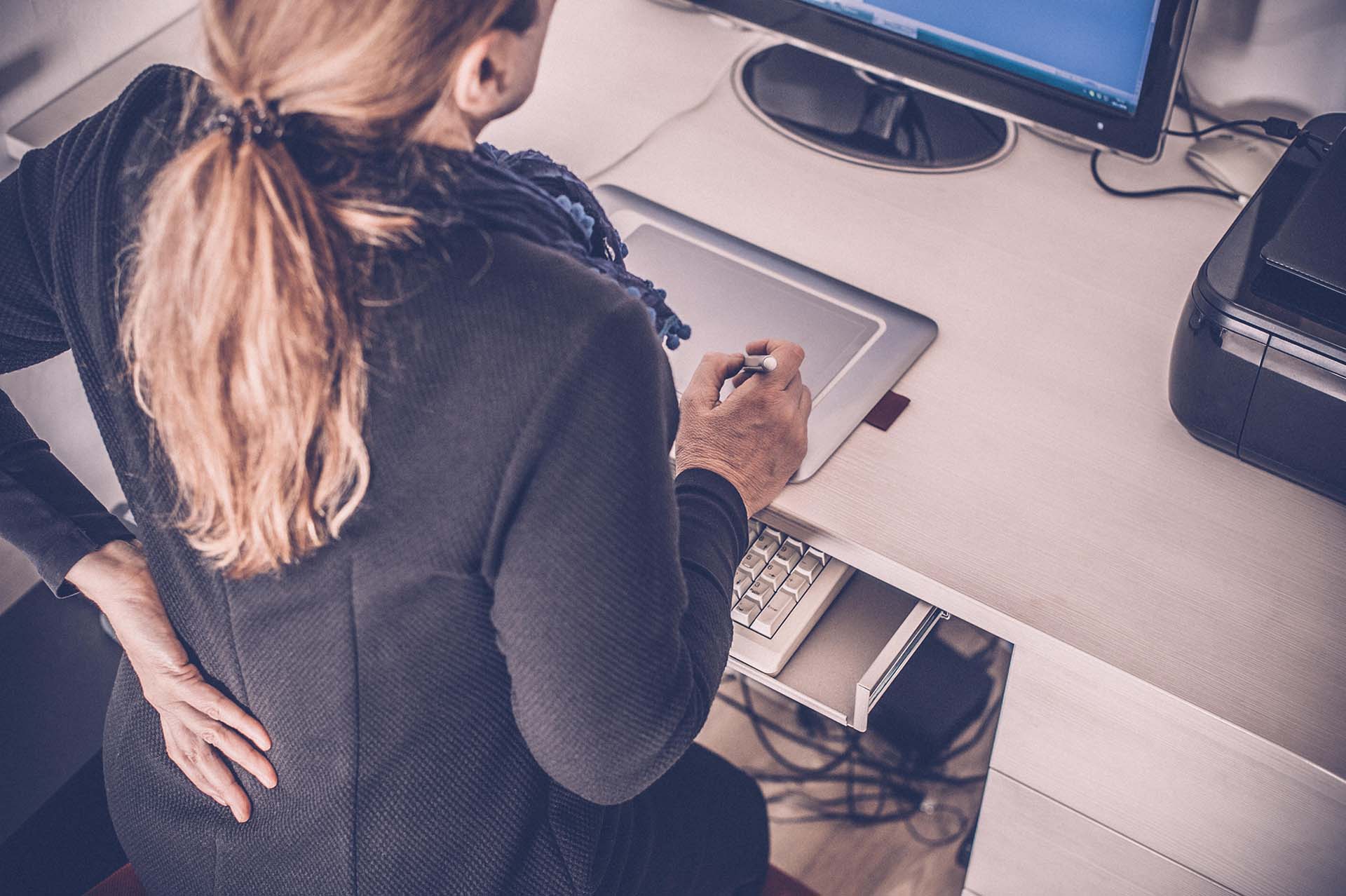
If you or a loved one are experiencing severe back pain we highly recommend speaking with a back doctor or spine specialist to correct the problem. Sometimes issues can improve with stretching or improving your posture, but there are times when the best solution is to speak to a professional.
Back Pain 101
 In today’s modern world, the majority of us do a lot more sitting than standing or moving around. On average, the American adult spends about 10 hours per day seated. This can be working a desk job, driving, taking public transportation or unwinding after a day at work. While this may not sound like something that can cause issues, excessive sitting can actually be more harmful than you think.
Sitting for an extended period of time is also a requirement for anyone who is employed in a desk job in order to fulfill their responsibilities in the workplace. This involves an enormous number of Americans, as the U.S. Centers for Disease Control and Prevention (CDC) has stated that in excess of 150 million adults participate in the American labor force and that workers in the U.S. are located at their places of employment for an average of 7.6 hours each day.
Unfortunately, even semi-regular exercise sessions are not enough to balance out all of the negative effects of a sedentary lifestyle. Today’s post will cover the risks associated with too much sitting, how sitting can be the cause of your back pain and what you can do to minimize the pain and health problems that come with spending too much time in a chair.
How Much Sitting Constitutes a Sedentary Lifestyle?
First of all, it is important to understand what exactly a sedentary lifestyle is. You may think you are active enough that this term doesn’t apply to you, but that may not be completely accurate.
A sedentary lifestyle is simply one that is mostly inactive. If you do not physically exert yourself for more than a couple of hours every day, you would be considered by most to be an inactive person. This is not to say that you are making unhealthy life choices; even otherwise healthy people can fall victim to inactivity.
If you’re experiencing back pain that you cannot determine the cause of, or if you think you fall into the “sedentary lifestyle” category, this article is definitely for you.
What Are the Risks Associated With Excessive Sitting?
It sounds silly to say that sitting comfortably in a chair poses a health risk, but this is actually the case. While sitting down is usually associated with being relaxed, it can end up putting a lot more stress on your joints and muscles than you might initially expect.
Prolonged periods of sitting have been associated with fluid retention, general malaise, swollen legs, aching feet and, of course, pain in your back. In addition to these things, the Mayo Clinic has also shown research that links a sedentary lifestyle to more serious health concerns such as high blood pressure, high blood sugar, obesity, heart disease, unhealthy cholesterol levels and certain types of cancer.
Each potential health issue that can emerge from remaining stationary and the ramifications of continuing to place yourself at risk of having to contend with these problems should present you with massive incentive to make sure that you keep yourself moving.
First, sitting excessively can damage your heart. It can also increase the possibility of experiencing a stroke, high blood pressure, diabetes and high cholesterol. If that does not provide enough reason for concern, excessive sitting also raises the prospects of contending with obesity, your anxiety levels might rise and you can also be faced with back issues.
However, there are even more potential issues as remaining stationary for extended periods of time can also result in blood clots forming in the legs, which is referred to as deep vein thrombosis or DVTs. Any DVT that progresses into the lungs or heart can result in an extremely serious situation that can be fatal.
In addition to this collection of concerns, the potential of certain cancers will also increase due to prolonged inactivity. This includes colon, lung and endometrial cancer, while older women also face greater risk of experiencing breast cancer.
An examination of multiple studies concluded that individuals who were sitting for over eight hours a day without participating in any physical activity would encounter a risk of death that was comparable to the potential of dying as the result of obesity and smoking.
However, further analysis within the same group of studies determined that 60 to 75 minutes of moderately intense physical activity on a daily basis can offset the numerous problems that might be incurred through continual sitting.
Reducing the Risk of Health Issues
Fortunately, this underscores the most critical step that you can take to combat the possibility of encountering any of these serious health issues.
Individuals who maintain a reasonable level of physical activity on a daily basis usually live longer, and their mobility reduces the risk of the serious conditions that were mentioned previously.
Avoiding the inclination to sit for long periods of time will also help those who are already dealing with chronic diseases. According to the CDC, one out of every two adults is living with some form of chronic disease, while the CDC also states that only one-half of all adults are actually receiving the level of physical activity that they truly need in order to help decrease the risk of experiencing these chronic diseases.
The CDC has also stated that individuals who make sure that they receive enough physical activity each day can prevent one in every 10 premature deaths. This includes instances of breast cancer, colorectal cancer, diabetes and heart disease.
There are also specific benefits of avoiding excessive sitting if you are an adult include reducing the risk of high blood pressure, stroke, weight gain and symptoms of arthritis. Remaining physically active will also improve your physical fitness, your mental health and your cognitive functions.
For older adults, physical activity also improves your sleep, along with your balance and your joint mobility, while also extending years to the active phase of your lives. Avoiding continual sitting also decreases the risk of falling, assists in the prevention of weak bones and muscles and delays any onset of cognitive issues.
The CDC has provided recommendations concerning how much daily activity is beneficial, along with suggestions for the specific types of activities that are most effective for adults and older adults.
Decreasing the risk of having to contend with serious health problems can also involve the simple process of walking — which is certainly worth the massive dividends that you will receive.
By making a brisk walk part of your daily regimen, you can improve your chances of maintaining a healthy weight, burning calories and fortifying the fitness of your heart and lungs. It will also bolster the strength of your bones and muscles, increase your coordination and reduce the chances of dealing with heart disease, high blood pressure, type 2 diabetes and the other conditions that were already discussed.
A simple daily walk will also place you in a better frame of mind through the release of endorphins within your brain and nervous system, as this diminishes any stress that you might be experiencing.
How Does Too Much Sitting Cause Pain?
Regularly sitting for long periods of time can contribute to chronic pain in your upper and lower back. There are many reasons for this and almost all of them have to do with your body’s natural posture and how your spine is intended to curve.
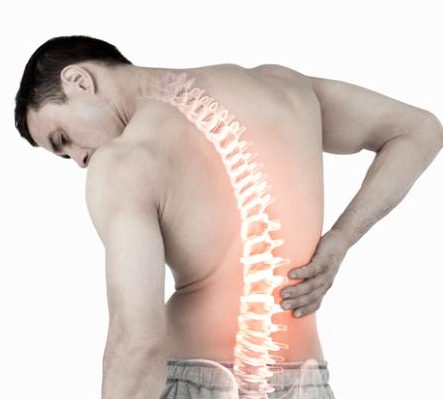
A healthy spine should, when standing, have a slight, S-shaped curvature to it. These gentle curves help to support your body and absorb the stress of movement and gravity.
The spine is made up of many small bones called vertebrae, and each of these vertebrae have discs between them. These discs are sturdy like bone on the outside, but soft and gel-like on the inside in order to properly absorb the shock of movement without stressing your vertebrae.
When you sit, even though it may feel like you are reducing stress and pressure on your body, you are actually just causing a different kind of stress. Sitting causes your entire spine to compress, which puts a lot of extra pressure on the vertebral discs, the muscles of your back and the ligaments surrounding your spine and neck. Subjecting your body to this kind of pressure for prolonged stretches of time not only causes temporary discomfort but chronic pain.
What Can I Do at Home to Remedy the Pain?
Luckily, much of the pain you may be experiencing can be reduced considerably with small lifestyle changes. Even if you spend a lot of time in the car or at a desk, there are simple adjustments and exercises you can incorporate into your routine that will significantly improve the pain you may be feeling in your back.
1. Ergonomics
Ergonomics is an entire field of study devoted to making sure you are able to work your desk job in the healthiest way possible. While the term itself has become a buzzword in recent years, the purpose of ergonomics is to help you work in a safe and truly comfortable way.
The University of California, Los Angeles Spine Center has developed a set of guidelines that you can use to ensure that your desk is set up in a way that minimizes pressure on your spine and stress on your joints. This alone will help alleviate a lot of pain.
2. Look For Ways to Stand
The easiest change for you to make is to simply find ways to add a bit of motion into your day. Stand up while you eat your afternoon snack, or walk around while you’re on a conference call. If you’re waiting on your child at school, get out of the car and do a few light stretches. If you take public transportation, stand instead of sitting. Any way you can add movement into your day will help.
If these adjustments are not enough to fix the problem, you should not hesitate to seek professional help.
When Should I Seek Professional Help?
If you have made the proper lifestyle adjustments, but you are still not seeing the level of pain relief you are hoping for, it is probably time to schedule an appointment with an orthopedic specialist.
Orthopedic specialists will be able to examine the areas that are giving you problems and recommend a treatment plan that will best help your situation. Often, solutions like targeted massage, chiropractic sessions or physical therapy are offered depending on the severity and duration of your pain.
Final Thoughts
For many, excessive sitting is simply a fact of life. Even though you may not be able to stand and move as much as you should, every little bit of motion helps. By coupling small, simple lifestyle adjustments with the personalized attention of a specialist, you should be able to alleviate the pain of a sedentary life.
Your path to recovery starts here. Schedule an appointment with OrthoTexas or find a location near you.